Hijri Calendar: Marking Time in Islamic Art and Architecture
The Hijri Calendar, a lunar-based system established with Islam, synchronizes with moon phases while…….

The Hijri Calendar, a lunar-based system established with Islam, synchronizes with moon phases while accounting for seasonal changes. It deeply influences Islamic art, architecture, and culture globally. Its cyclical nature inspires intricate designs in structures like mosques and museums. The calendar guides religious observances, festivals, and financial practices. Modern Muslims often use both Hijri and Gregorian calendars for cultural continuity and practical date conversion. Understanding the Hijri Calendar offers insights into Islamic heritage and enriches appreciation of its artistic, architectural, and cultural expressions.
The Hijri Calendar, with its rich historical and cultural significance within the Islamic tradition, has left an indelible mark on the art and architecture of Muslim civilizations. This ancient lunar calendar, marking time through the phases of the moon, has inspired a unique aesthetic that permeates various artistic expressions. From intricate mosque designs to exquisite calligraphic scripts, Hijri dates play a pivotal role in shaping the visual language of Islamic art. By exploring this profound connection, we uncover a vibrant tapestry where each element tells a story, reflecting not only the religious observance but also the cultural and artistic prowess of Muslim societies across centuries.
- Understanding the Hijri Calendar: Foundation and Significance
- Islamic Art's Temporal Expression: The Role of Hijri Dates
- Architectural Milestones: Marking Time with Hijri Calendar
- Cultural Significance: Festivals, Rituals, and Their Timing
- Historical Narratives: Dating Events in Islamic Art
- Contemporary Relevance: Hijri Calendar in Modern Design
Understanding the Hijri Calendar: Foundation and Significance

The Hijri Calendar stands as a cornerstone of Islamic art and architecture, infusing these disciplines with profound significance. Its foundation lies in the lunar cycle, marking time through the phases of the moon rather than the sun, as per the Gregorian calendar. This unique approach to measuring time aligns perfectly with the Islamic emphasis on spiritual reflection and connection to the divine. The Hijri Calendar’s role is not merely functional; it serves as a sacred framework that guides religious observances, particularly the timing of Ramadan, the holy month of fasting.
Understanding the Hijri Calendar’s history and origin is essential to appreciating its contemporary use in Islamic art. Its introduction was contemporaneous with the establishment of Islam itself, dating back to the 7th century AD. The need for a calendar that synchronized with the lunar cycle but also accommodated the seasonal changes crucial for agricultural societies led to the adoption of the Hijri system. This ancient practice has evolved alongside modern interpretations, ensuring its relevance in today’s diverse world. For instance, while the Gregorian calendar dominates global affairs, many Muslims worldwide continue to rely on the Hijri Calendar for personal and communal observances, including calculating religious holidays and setting prayer times.
The contemporary use of the Hijri Calendar extends beyond traditional practices. Artists and architects often incorporate its principles into their works as a tribute to Islamic cultural heritage. The calendar’s cyclical nature inspires intricate patterns and designs in architecture, enhancing aesthetic appeal and symbolic depth. Similarly, artistic representations of celestial bodies, particularly the moon, echo the lunar-based calendar, adding layers of meaning to visual art. For those seeking to delve deeper into this subject, why is Hijri used in Islam? Our team of experts is ready to guide you through the rich tapestry of Islamic timekeeping and its profound impact on culture and faith.
Islamic Art's Temporal Expression: The Role of Hijri Dates
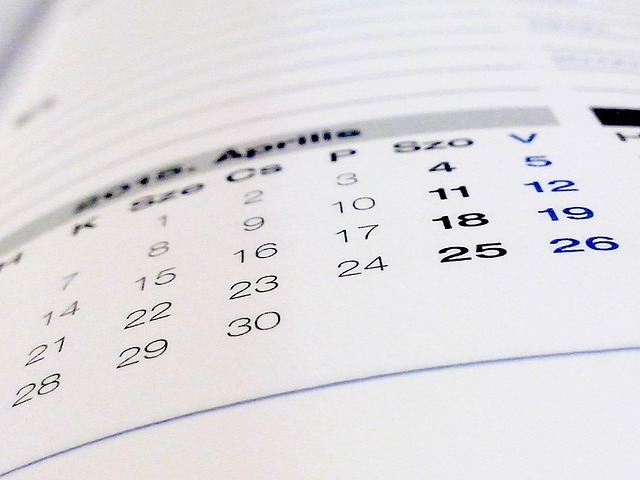
The Hijri Calendar plays a significant role in Islamic art and architecture, providing a unique temporal expression that sets it apart from other artistic traditions. Unlike the Gregorian calendar widely used in the West, the Hijri Calendar is based on lunar cycles, making each year approximately 10 to 12 days shorter than its Gregorian counterpart. This divergence results in a cyclical nature where Islamic art often incorporates Hijri dates to mark important events and milestones within the Islamic year. The use of Hijri dates offers a profound connection between faith, time, and artistic expression, creating a distinct visual language that resonates with Muslims worldwide.
In Islamic art, the Hijri Calendar serves as a fundamental tool for dating artworks and architectural structures. Many historic mosques, for instance, have inscriptions detailing their construction dates according to the Hijri era. This practice not only preserves historical records but also elevates the significance of time within Islamic culture. Moreover, the calendar facilitates the coordination of religious observances, such as Ramadan and Eid, ensuring communities gather and celebrate at the same time across diverse regions. The natural flow of the lunar-based Hijri Calendar aligns with the rhythmic nature of Islamic artistic traditions, from intricate calligraphy to grand architectural designs.
Comparing the Islamic and Western calendars highlights the distinct approaches to temporal measurement. While the Gregorian calendar provides a uniform and consistent year length, the Hijri Calendar’s cyclical nature allows for a more fluid artistic representation of time. This difference is evident in the way dates are expressed; Islamic artists might depict a date as “12 Rajab, 1443 AH” (where AH refers to the Islamic year), offering a direct reference to the Hijri Calendar. Engaging with this calendar through art and architecture fosters a deeper understanding of Islamic history and culture, prompting us to appreciate the richness and complexity inherent in their temporal expression.
To enhance Hijri awareness, consider organizing or participating in activities that explore these dates within contemporary Islamic art. By delving into the significance of specific dates and their artistic representations, individuals can develop a more profound connection to Islamic cultural heritage. For instance, exploring museum exhibits featuring art from different eras can provide insights into how artists have interpreted and expressed the passage of time according to the Hijri Calendar. Give us a call at [engaging activities for hijri awareness] to discover more ways to immerse yourself in this captivating aspect of Islamic art and architecture.
Architectural Milestones: Marking Time with Hijri Calendar
The Hijri Calendar, with its rich history dating back to the early days of Islam, serves as more than just a system for measuring time in Islamic art and architecture. It plays a pivotal role in defining architectural milestones, imbuing structures with deep cultural and spiritual significance. Unlike the Gregorian calendar, the Hijri Calendar is based on astronomical observations, making each month directly tied to the lunar cycle. This celestial connection influences not only the timing of Islamic festivals like Eid al-Fitr and Eid al-Adha but also the layout and design principles of iconic architectural marvels across the Muslim world.
In the context of islamic architecture, the Hijri Calendar acts as a foundational element, guiding the placement of key features and structural elements. For instance, the orientation of mosques often aligns with the Qibla, the direction towards Mecca, marked by precise calculations based on the Hijri calendar’s phases. This alignment fosters a deeper connection between the worshipper and the divine, underscoring the significance of time in Islamic spiritual practices. Additionally, the calendar informs the design of intricate decorative elements, such as calligraphy that marks significant dates or astronomical motifs reflecting the celestial events celebrated in Hijri-based festivals like the observation of the new moon.
The historical evolution of the Hijri Calendar has left an indelible mark on Islamic art and architecture. Its early adoption facilitated the standardization of practices across diverse regions, enabling a unified sense of time even as Islamic empires expanded globally. This uniformity fostered a shared aesthetic and symbolic language in architectural design, culminating in grand structures like the Alhambra in Spain or the Great Mosques of Egypt, where the Hijri calendar’s influence is evident in every dome, arch, and ornate panel.
For those seeking to integrate this rich tradition into modern practices, converting hijri dates to civil dates (e.g., using available online tools) allows for a deeper appreciation of these historical connections. By understanding the role of the Hijri Calendar in shaping iconic architectural feats, we gain insights into the profound ways time and spirituality have been expressed through art and design throughout Islamic history. This knowledge not only enriches our understanding of cultural heritage but also inspires innovative interpretations in contemporary works of islamic architecture.
Cultural Significance: Festivals, Rituals, and Their Timing

The Hijri Calendar plays a pivotal role in Islamic art and architecture, significantly influencing cultural practices, festivals, and rituals across the Muslim world. Its significance extends far beyond mere timekeeping, deeply embedding itself within the religious and social fabric of Muslim communities. The calendar’s lunar-solar nature ensures that Islamic months are synchronized with celestial events, aligning with the agricultural cycles and providing a unique framework for marking time. This natural rhythm has inspired artistic expressions, architectural designs, and cultural celebrations that reflect the rich heritage of Islam.
In many Muslim-majority countries, Hijri dates are used to determine religious observances, including the timing of major Islamic festivals like Eid al-Fitr and Eid al-Adha. For instance, the precise moment of the new moon signals the beginning of each month, leading to specific rituals and celebrations. This adherence to celestial events not only fosters a deep connection with nature but also creates a shared cultural experience across diverse regions. The Hijri Calendar’s role in Islamic finance is equally crucial, governing interest-free transactions, charitable giving (Zakat), and investment practices based on the lunar cycle.
Converting Hijri dates to civil calendars has become increasingly important for practical purposes, especially in modern society. Many Muslim communities now use both systems to balance traditional observance with everyday life. For example, while religious observances may be dated according to the Hijri Calendar, civil dates are used for administrative and educational purposes. This duality allows individuals to maintain a connection to their cultural heritage while navigating contemporary demands, demonstrating the adaptability of Islamic traditions in an ever-changing world. By understanding and appreciating the Hijri Calendar’s cultural significance, one can truly grasp the depth and diversity of Islamic art, architecture, and tradition.
Historical Narratives: Dating Events in Islamic Art
The Hijri Calendar, with its profound historical significance, has played a pivotal role in shaping Islamic art and architecture, offering a unique lens through which to understand and narrate events within Muslim communities worldwide. This calendar system, based on lunar months, provides an alternative framework to the Gregorian calendar, allowing for a rich tapestry of artistic expression that reflects the cultural and spiritual values of Islam. By adopting the Hijri dates, Islamic artists and architects have not only marked time but also woven narratives that connect past, present, and future generations within their respective societies.
One of the significant advantages of using the Hijri calendar in art is its ability to capture the rhythmic flow of lunar months, which has inspired countless artistic representations across various mediums. From intricate calligraphic scripts adorning mosque interiors to elaborate floral motifs in ceramic tiles, artists have utilized the calendar’s cyclical nature to create visually appealing and symbolically rich designs. For instance, the art of Islamic tile work often incorporates patterns that mirror the recurring cycles of the Hijri months, resulting in stunning visual symphonies. Moreover, the calendar has enabled artists to incorporate specific historical events and milestones within their works, creating a tangible connection between the artistic expression and the Muslim experience.
Understanding lunar months in Islam extends beyond aesthetic considerations; it has also influenced architectural design. Many iconic Islamic buildings, such as grand mosques and mausoleums, are constructed with precise mathematical calculations based on the Hijri calendar. These structures often feature intricate geometric patterns and symmetrical layouts that align with the lunar-based dating system. The global adoption of Hijri systems in various countries, including those with significant Muslim populations, has led to a diverse range of interpretations and styles in Islamic art and architecture. This international reach underscores the universal appeal and cultural significance of Hijri dates, as artists and architects continue to interpret and innovate upon this rich historical tradition. To gain a deeper understanding of these practices, visit us at advantages of using hijri calendar.
Contemporary Relevance: Hijri Calendar in Modern Design
The Hijri Calendar, with its rich historical significance in Islamic art and architecture, continues to inspire contemporary design trends. This ancient calendar system, based on lunar cycles, has been an integral part of Muslim communities for over 1400 years, shaping not just religious practices but also artistic expressions. The unique way it tracks time, with months aligning with the phases of the moon, offers a distinct and elegant aesthetic that resonates in modern design circles.
The Hijri calendar’s influence can be seen in various aspects of contemporary design, particularly in the celebration of Islamic art and architecture’s rich heritage. Its use goes beyond mere aesthetic appeal; it serves as a powerful tool for cultural connection and understanding. For instance, many modern designers draw inspiration from the lunar-based system to create calendars, artwork, and architectural features that incorporate intricate geometric patterns and symmetrical layouts—all hallmarks of traditional Islamic art. The precise calculations behind the Hijri dates provide a caloric framework that allows for precise placement of decorative elements, resulting in visually stunning compositions.
Ramadan, a sacred month in Islam, is a prime example of the practical application of the Hijri Calendar in modern life. Determining the exact timing of Ramadan’s commencement and fasting hours relies on both astronomical calculations and the visual observation of the new moon, reflecting the fusion of scientific knowledge and traditional practices. This dual approach ensures accuracy, fostering a deeper connection to religious observances. In today’s world, where technology offers precise timekeeping, the Hijri Calendar’s role in defining cultural events like Ramadan highlights its enduring relevance. By embracing calender-inspired motifs from Islamic heritage, contemporary designers not only pay homage to the past but also enrich modern aesthetics with timeless elegance. Consider incorporating these calendar-based elements into your interior design projects; give us a call at Decorating with Islamic Calendar Motifs to explore the possibilities and bring this rich cultural tradition into your space.
The Hijri Calendar holds profound significance in Islamic art and architecture, serving as a temporal framework that enriches cultural expression and historical narratives. By integrating Hijri dates, artists and architects mark pivotal moments, from religious festivals to architectural milestones, reflecting the Muslim calendar’s central role in daily life. This article has explored the diverse applications of the Hijri Calendar, highlighting its influence on art, architecture, and cultural practices. Key insights include the calendar’s ability to foster a sense of community, preserve historical memories, and inspire contemporary design. Understanding and appreciating the Hijri Calendar’s importance allows for a deeper connection to Islamic artistic traditions and their enduring legacy in today’s world.