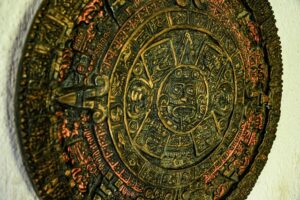
Hijri Calendar: Uniting Muslims Through Time and Tradition
The Hijri Calendar, based on lunar cycles and marking time since Prophet Muhammad's Hijra, hold…….

The Hijri Calendar, based on lunar cycles and marking time since Prophet Muhammad's Hijra, holds profound historical and spiritual significance for Muslims globally. Key events like Ramadan are aligned with its lunar cycles, fostering devotion and community connection. With approximately 354-355 days per year, it offers a precise, spiritually aligned dating system contrasting the solar-based Gregorian calendar. The Hijri Calendar guides religious practices, influences agricultural cycles, and is integrated into Islamic finance. Embracing it enhances cultural understanding, promotes reflection, and fosters unity among Muslims worldwide through shared observances and historical context. Educational resources and community engagement facilitate its practical applications in daily life.
In the diverse tapestry of Islamic practices, the Hijri Calendar stands as a cornerstone for millions of Muslims worldwide. Its intricate lunar cycle not only marks the passage of time but also deeply intertwines with religious observances, fostering a profound connection to faith. However, amidst modern life’s hustle and bustle, many have strayed from this traditional method. This article delves into the multifaceted benefits of adopting and adhering to the Hijri Calendar, offering a guide for Muslims seeking to strengthen their spiritual practices and deepen their understanding of Islamic traditions.
- Historical Significance: Understanding the Hijri Calendar's Origins
- Spiritual Connection: How It Guides Muslim Devotion
- Accurate Dating: Benefits for Personal and Community Events
- Cultural Reflection: The Calendar's Role in Islamic Traditions
- Global Unity: Its Impact on Muslim Communities Worldwide
- Modern Relevance: Adapting to a Changing World with the Hijri Calendar
Historical Significance: Understanding the Hijri Calendar's Origins

The Hijri Calendar holds a profound historical significance for Muslims worldwide, offering more than just a system for measuring time. Its origins trace back to the early days of Islam, serving as a testament to the community’s need for a new calendar that aligned with their faith and values. The term “Hijri” itself translates to “emigration,” reflecting its introduction during the Hijra (emigration) of the Prophet Muhammad (peace be upon him) from Mecca to Medina in 622 CE. This pivotal event marked a new era in Islamic history, prompting the need for a calendar that would foreverafter associate significant dates with the life and teachings of the Prophet.
Teaching the Hijri system to beginners involves understanding its unique approach to marking time. Unlike the Gregorian calendar, the Hijri is based on lunar cycles, with months beginning with the new moon’s appearance. This makes each year approximately 10 or 11 days shorter than its Gregorian counterpart, resulting in a cyclic pattern of 354 or 355 days per year. The Islamic months and their significance are deeply ingrained in Muslim culture and religious practices. Key events like Ramadan, the holy month of fasting, and Eid al-Fitr, the festival marking its end, are central to the spiritual calendar. Practically speaking, the Hijri Calendar has a wide range of applications. From organizing religious observances and festivals to managing agricultural cycles and legal matters within Muslim communities, it plays an integral role in daily life.
For instance, many Islamic schools incorporate the teaching of the Hijri system into their curricula, enabling students to understand historical events and religious practices set against a calendar that remains dynamic yet rooted in tradition. Similarly, Islamic architecture and its calendrical basis offer a tangible connection to this rich history. By visiting us at [Islamic Architecture and Its Calendrical Basis](link), you can explore how the Hijri Calendar has inspired the design of mosques, madrasas, and other architectural marvels around the world. Embracing the Hijri Calendar is not merely an exercise in understanding a historical artifact; it’s a way to connect with a global community that continues to draw strength from its roots, even as it navigates the challenges and opportunities of contemporary life.
Spiritual Connection: How It Guides Muslim Devotion

The Hijri Calendar, with its rich historical and spiritual significance, serves as a powerful tool for Muslims worldwide, fostering a deeper connection to their faith. Its use in Islam transcends mere measurement of time; it guides devotional practices and shapes the religious experiences of Muslims globally. Unlike the Gregorian calendar, which primarily focuses on secular events, the Hijri Calendar is intricately woven into the fabric of Islamic traditions, making it an indispensable resource for spiritual growth. This ancient lunar-solar calendar, based on the migration of Prophet Muhammad (peace be upon him) from Mecca to Medina, offers a unique perspective on time and its relationship with divine guidance.
For Muslims, the Hijri Calendar is more than just a means to mark dates; it provides a framework for understanding the ebb and flow of Islamic holidays and rituals. Major Islamic events, such as Eid al-Fitr and Eid al-Adha, are timed according to the lunar cycles captured in this calendar. This ensures that celebrations align with specific phases of the moon, creating a sense of unity and shared experience among Muslims worldwide. Engaging in hijri awareness activities, like following the moon’s phases or participating in community events based on the Hijri dates, can strengthen one’s connection to Islamic traditions and promote a deeper understanding of their faith.
The spiritual significance of the Hijri Calendar extends beyond individual devotion. It serves as a unifying force within Muslim communities, fostering a collective identity rooted in shared history and practices. In Islamic finance, for instance, many financial institutions use the Hijri calendar to determine auspicious dates for transactions, further emphasizing its role in everyday life. By embracing this calendar system, Muslims can create a more intentional and reflective approach to their spiritual lives, finding solace and guidance in the rhythmic flow of months and seasons as dictated by nature’s own clock.
Accurate Dating: Benefits for Personal and Community Events

The Hijri Calendar offers Muslims a unique advantage in accurately dating events, both personal and communal. As opposed to the Western calendar, which primarily tracks solar cycles, the Hijri system is based on lunar phases, providing a more precise alignment with Islamic religious observances like Ramadan and Eid. This alignment ensures that important dates are celebrated at the exact moment they occur in the lunar cycle, reinforcing the connection between faith practices and timekeeping.
For personal events, understanding the Hijri Calendar empowers Muslims to plan significant milestones, such as birthdays or anniversaries, according to their spiritual significance. Teaching the Hijri system to beginners allows for a deeper engagement with Islamic tradition, fostering a more mindful approach to daily life and celebrations. Moreover, when comparing Islamic and Western calendars, the former offers a richer historical context, enabling individuals to trace events back through centuries of Islamic history.
Converting between the Hijri and civil dates is straightforward through established methods. For instance, converting Hijri to civil dates allows Muslims living in diverse regions to coordinate gatherings for Eid celebrations or share important family announcements on time. It’s worth noting that while direct conversions can be done, many find it valuable to consult resources or give us a call at [converting gregorian to hijri date] for accurate interpretations, especially when dealing with complex scenarios.
This dual dating system enriches both personal and community life by providing a deeper connection to Islamic heritage. By embracing the Hijri Calendar, Muslims can navigate their spiritual and secular lives more harmoniously, ensuring that important dates are marked accurately and celebrated meaningfully.
Cultural Reflection: The Calendar's Role in Islamic Traditions
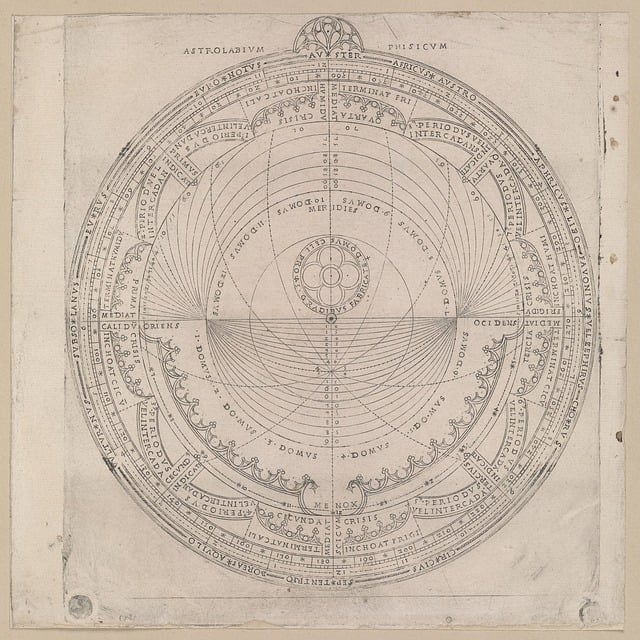
The Hijri Calendar, with its roots in Islamic tradition, serves as a powerful cultural reflection tool for Muslims worldwide. Its unique approach to measuring time, based on phases of the moon in hijri system, aligns closely with various facets of Islamic practices and beliefs. This calendar system not only marks the passage of days, weeks, and months but also resonates with the natural cycles of our planet, creating a profound connection between spirituality and the environment.
One of the most striking aspects of the Hijri Calendar is its ability to showcase artistic representations of hijri months. Each month is associated with distinct artistic styles and motifs, reflecting cultural diversity within the Islamic world. These visual interpretations not only educate but also inspire, fostering an appreciation for the aesthetic dimensions of Islamic art. Modern artists continue to explore these themes, offering contemporary interpretations that blend traditional aesthetics with modern sensibilities, ensuring the relevance of hijri calendar in today’s diverse society.
The transition from one Hijri year to the next, unlike the Gregorian system, is a time of celebration and reflection. It encourages individuals to pause, reconsider their lives, and align their actions with Islamic teachings. This cyclical nature promotes a sense of continuity and purpose, allowing Muslims to navigate life’s journey while staying true to their cultural heritage. By embracing the Hijri Calendar, one can experience a deeper connection to Islamic traditions, enrich personal practices, and celebrate the rich tapestry of Muslim history and culture.
To fully embrace this calendar system, consider exploring its practical applications in daily life. Visit us at hijri year vs gregorian year to learn more about how this shift can enhance your understanding of Islamic traditions. Engage with local communities, attend workshops, and delve into resources that offer insights on integrating the Hijri Calendar into modern life, allowing you to appreciate its beauty and significance in a contemporary context.
Global Unity: Its Impact on Muslim Communities Worldwide
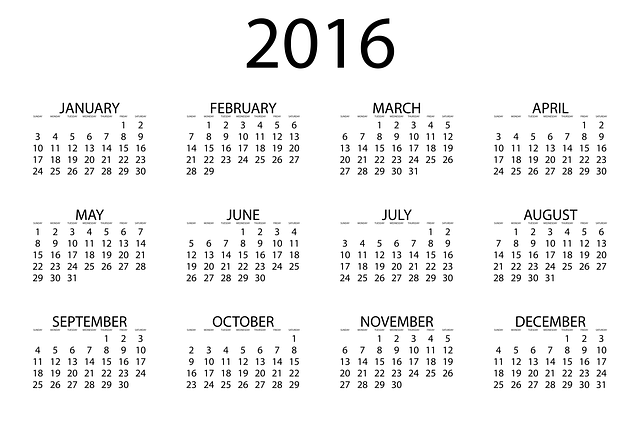
The Hijri Calendar, with its rich historical and cultural significance, plays a pivotal role in fostering global unity among Muslims worldwide. Unlike the Gregorian calendar, which is primarily used globally, the Hijri system marks time based on Islamic events, creating a unique bond among diverse Muslim communities. This shared temporal framework serves as a powerful connector, offering a common reference point for celebrations, rituals, and religious observances. For instance, the timing of Ramadan, one of the five pillars of Islam, is determined using the Hijri Calendar, ensuring that Muslims around the world fast at the same time, despite varying local times zones. This synchrony strengthens the sense of unity and solidarity among believers.
Moreover, the Hijri Calendar’s influence extends beyond religious practices into Islamic finance. Financial transactions, including those involving interest-free loans (Murabaha), rental agreements (Ijarah), and investment contracts (Mudarabah), are often structured using the Hijri dates. This not only simplifies calculations but also deepens the understanding of financial obligations within the Islamic framework. For beginners learning about the Hijri system, teaching its application in financial contexts can be a practical way to illustrate its relevance and importance. Resources like online tools and mobile apps, available through platforms such as Hijri Dates for daily planning, offer accessible means to master this ancient yet modern temporal system.
Additionally, the Hijri Calendar encourages a deeper connection with Islamic history, as dates in the calendar are tied to significant events and milestones. This historical awareness fosters an appreciation for the traditions and values that have shaped Muslim communities over centuries. As Muslims continue to navigate diverse environments globally, adhering to the Hijri Calendar provides a sense of consistency and shared identity, reinforcing the unity that is so central to their faith and practices.
Modern Relevance: Adapting to a Changing World with the Hijri Calendar
The Hijri Calendar holds significant modern relevance for Muslims worldwide, offering a unique perspective on timekeeping that seamlessly adapts to today’s dynamic world. Its intricate system, based on lunar cycles, provides an alternative to the widely used Gregorian calendar, allowing for a deeper connection to Islamic traditions and historical events. One of its practical advantages is its ability to accurately determine significant dates, such as Ramadan timing, ensuring communities across different regions observe this holy month simultaneously, regardless of geographical location.
In education, incorporating the Hijri Calendar can offer a rich learning experience. Students can study historical records using hijri dating, gaining insights into Islamic history and the evolution of Muslim civilizations. This practice fosters a deeper understanding of cultural heritage and promotes critical thinking about calendar systems and their impact on society. For instance, examining ancient Muslim scholarly works in conjunction with hijri dates provides valuable context for academic research and enhances the study of history, astronomy, and literature.
Furthermore, comparing Islamic and Western calendars through the lens of the Hijri Calendar encourages a nuanced discussion. By giving us a call at [your organization/service], we can facilitate this dialogue, helping individuals appreciate the unique qualities of each system. This approach bridges cultural gaps and promotes mutual understanding, especially in diverse communities. For example, when planning community events or religious gatherings, using the Hijri Calendar ensures inclusivity and allows everyone to participate in a shared, meaningful way, strengthening the sense of unity among Muslims.
The Hijri Calendar stands as a multifaceted tool for Muslims worldwide, offering profound historical significance, spiritual guidance, and practical benefits. Its origins deeply rooted in Islamic history provide a framework for understanding and connecting with the past. For individuals and communities, it offers precise dating methods, enhancing the organization of personal and collective events. The calendar’s role in cultural reflection highlights its importance in preserving and celebrating Islamic traditions. Furthermore, it fosters global unity among diverse Muslim communities by providing a shared timeline and cultural reference point. As we navigate modern times, adapting the Hijri Calendar allows for harmonious coexistence with contemporary demands while preserving spiritual connections and cultural heritage. By embracing this ancient yet relevant tool, Muslims can find a balance between tradition and progress.