Lunar Synchronization: Key to Precision in Hijri Calendar
The Hijri Calendar, based on lunar cycles, offers accuracy through alignment with moon phases. Each…….

The Hijri Calendar, based on lunar cycles, offers accuracy through alignment with moon phases. Each month begins with a new crescent moon sighting, resulting in flexible 29-30 day months. This synchronization is vital for religious practices like prayer and Ramadan observances, fostering global Muslim unity. The calendar influences art, culture, and modern planning tools. Despite challenges synchronizing with the solar year, hybrid models integrate lunar and solar cycles for precise timing of significant Islamic events.
The Hijri Calendar, a lunar-solar hybrid system, stands as a cornerstone of Islamic cultural and religious life. Its intricate synchronization between the moon’s phases and the sun’s seasons is not merely an astronomical curiosity but a foundational element that shapes significant dates and rituals. Lunar synchronization ensures the accurate determination of months, festivals, and holy days, aligning with historical practices. However, navigating this delicate balance presents challenges, especially in modern times. This article delves into the reasons behind this synchronization’s crucial role, offering insights into the intricate design of the Hijri Calendar and its enduring relevance.
- Understanding Lunar Synchronization in the Hijri Calendar
- The Role of Moon Phases in Hijri Date Determination
- Precision in Timekeeping: Hijri Calendar's Lunar Dependence
- Aligning with Nature: Lunar Cycles and Cultural Significance
- Challenges and Solutions: Adjustments in Lunar Synchronization
- Impact on Islamic Traditions: Practices Affected by Lunar Alignment
Understanding Lunar Synchronization in the Hijri Calendar
The Hijri Calendar, with its deep roots in Islamic tradition, relies heavily on lunar synchronization for its accuracy and significance. This unique calendar system, which tracks both solar and lunar cycles, is essential for Muslims worldwide who use it for religious observances, daily planning, and cultural celebrations. Lunar synchronization, the process of aligning the lunar months with the solar year, ensures that hijri dates accurately reflect seasonal changes, maintaining a harmonious relationship between religion and nature.
In the Hijri calendar, each month begins with the new crescent moon’s sighting, making lunar synchronization paramount. This method allows for a dynamic and flexible calendar where months can vary in length from 29 to 30 days. The precision of this synchronization is crucial for adhering to Islamic practices, such as the timing of prayers and the observance of holy months like Ramadan. For instance, the start of Ramadhan is determined by the sighting of the new moon, ensuring that Muslims across the globe begin fasting on the same day, creating a unified spiritual experience.
Moreover, the Hijri calendar influences various aspects of Islamic art and culture. The lunar-solar nature of the calendar has inspired artistic representations of hijri months, with each month possessing its unique aesthetic and symbolic significance. These artistic interpretations not only serve as visual reminders of religious obligations but also celebrate the rich cultural tapestry associated with the Hijri calendar. By understanding and embracing lunar synchronization, Muslims can fully engage with the calendar’s profound impact on their daily lives and cultural practices, making it a vital aspect of their spiritual journey.
To effectively incorporate the Hijri calendar into daily planning and appreciate its artistic dimensions, consider utilizing resources tailored for modern users. Many applications and online tools now offer accurate hijri date conversions, allowing individuals to seamlessly navigate between solar and lunar timekeeping systems. Engaging with these practical tools, coupled with a deeper understanding of lunar synchronization, can foster a stronger connection to the Hijri calendar’s historical and cultural significance, as well as its practical applications in contemporary Islamic life.
The Role of Moon Phases in Hijri Date Determination

The Hijri Calendar, with its rich history dating back to the early days of Islam, is a unique lunar-solar calendar system that has played a pivotal role in organizing Islamic societies across the globe. One of its most crucial aspects, particularly in date determination, lies in the meticulous synchronization with moon phases. This natural alignment ensures accuracy and consistency, offering significant advantages over solar calendars in tracking time within Islamic contexts.
Moon phases serve as the backbone of Hijri Calendar’s precision. Each month begins with the new moon, or ‘Hilal,’ which marks the start of a lunar cycle. This method allows for a direct connection between religious observances and celestial events, fostering a deep spiritual engagement. For instance, the beginning of Ramadan is determined by the sighting of the crescent moon, ensuring its onset across diverse Islamic communities worldwide. This practice not only simplifies date calculation but also creates a unified experience for Muslims celebrating significant festivals like Eid al-Fitr and Eid al-Adha.
The advantages of using the Hijri Calendar are multifaceted. It provides a purely lunar cycle, allowing for better synchronization with seasonal changes compared to solar calendars. This is particularly beneficial in regions experiencing significant seasonal variations, ensuring that religious practices remain aligned with natural cycles. Moreover, the calendar’s historical significance has led to various engaging activities for Hijri awareness, such as moon-gazing events and educational workshops, promoting a deeper understanding of celestial phenomena among Muslims. By embracing this traditional practice, communities can strengthen their connection to Islamic heritage while maintaining accurate dates for important rituals and celebrations.
To deepen your understanding and embrace the practical advantages of the Hijri Calendar, give us a call at Hijri Calendar. Our experts are dedicated to guiding you through this fascinating system, offering insights that date back centuries while ensuring relevance in today’s world.
Precision in Timekeeping: Hijri Calendar's Lunar Dependence
The Hijri Calendar, a lunar-based system, relies on precise timekeeping to accurately determine dates and times. Its reliance on moon cycles makes it inherently different from solar calendars like the Gregorian. This focus on lunar synchronization is crucial for several reasons, particularly when considering its application in religious observances like Ramadan. The Hijri Calendar’s natural alignment with the moon’s phases ensures that each month begins with the new moon, providing a consistent and predictable cycle. This precision is vital for maintaining consistency in religious practices and rituals.
For instance, the timing of Ramadan using the Hijri Calendar is directly linked to lunar cycles, making it a moving feast on the Gregorian calendar. This alignment necessitates a keen understanding of lunar phases, as the new moon marks the beginning of each month. Engaging in activities that foster Hijri awareness can greatly benefit beginners seeking to navigate hijri dates accurately. These activities might include learning to identify moon phases, participating in workshops that teach traditional methods of date calculation, or even using modern apps and tools designed for hijri dating in historical records.
The practical implications extend beyond religious observances. Accurate timekeeping in the Hijri Calendar is essential for various cultural and societal events, ensuring they occur at the opportune time. As you delve deeper into this calendar system, visiting us at Hijri Dating in Historical Records can provide valuable insights into how our ancestors meticulously recorded and tracked time using lunar synchronization. By embracing these traditional practices, we not only gain a deeper appreciation for historical methods but also enhance our ability to maintain precision in the modern context.
Aligning with Nature: Lunar Cycles and Cultural Significance
The Hijri Calendar’s crucial alignment with nature, embodied by lunar cycles, is a cornerstone of its cultural significance. Unlike solar calendars, which are primarily based on the Earth’s orbit around the sun, the Hijri system relies on the precise tracking of lunar phases, making it a truly celestial time-keeping mechanism. This natural synchronization has profound implications, deeply intertwined with various aspects of Muslim life and culture worldwide.
Lunar cycles offer a calendric inspiration for modern design, providing a unique rhythm to the year that resonates with many. The 12 months of the Hijri Calendar, each named for specific lunar events or seasons, create a harmonious blend of timekeeping and cultural expression. This connection to nature fosters a deep sense of seasonality, encouraging practices such as agricultural planning and feasts tied to harvests and religious observances. Furthermore, the global adoption of Hijri systems in diverse communities underscores its universal appeal; it serves as both a spiritual guide and a practical tool for organizing daily life.
The calculation of the Hijri Calendar is a complex yet fascinating process, involving meticulous observations of the moon’s phases. Through this method, Islamic scholars have developed highly accurate algorithms that predict lunar cycles with remarkable precision. This traditional knowledge not only ensures the calendar’s accuracy but also connects communities to their ancestral practices. For instance, the new year, known as Muharram, is celebrated across Muslim societies, marking a time of reflection and renewal, deeply rooted in the natural lunar cycle it follows. By embracing these traditions, we find that the Hijri Calendar offers not just advantages in terms of its practical use but also enriches our understanding of human connection to Earth’s rhythms.
As we navigate modern times, finding us at the intersection of tradition and innovation with the Hijri Calendar reveals valuable insights. Its calendric inspiration for modern design and global adoption highlight its enduring relevance. Understanding the intricate relationship between lunar cycles and cultural practices can foster a deeper appreciation for this ancient system, encouraging its integration into contemporary lives for a more harmonious future.
Challenges and Solutions: Adjustments in Lunar Synchronization
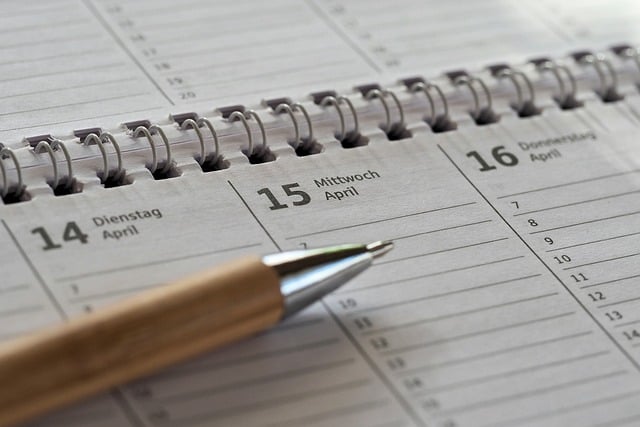
The Hijri Calendar, rooted in lunar cycles, presents a unique challenge when synchronizing with the solar year. This misalignment, a result of the calendar’s strictly lunar basis, has led to varying lengths for each Hijri month, creating a dynamic yet complex system. The primary driver of this complexity is the moon’s orbit, which does not precisely match the solar year, leading to an average Hijri year of 354 or 355 days, compared to the solar year’s approximately 365.25 days. This discrepancy necessitates periodic adjustments in lunar synchronization to maintain the calendar’s accuracy and relevance for contemporary use of the Hijri calendar, especially for religious observances.
One of the most significant challenges is ensuring that Islamic holidays, such as Eid al-Fitr and Eid al-Adha, are celebrated at the appropriate time relative to the solar year. To address this, Islamic scholars and astronomical bodies must collaboratively calculate and predict moon phases accurately. This process involves meticulous observations and calculations, often requiring adjustments to the start of months. For instance, if the new moon is not sighted on a specific date in a given year, the month’s beginning may be delayed by a day or more until the moon is clearly visible. This practical application of the Hijri calendar demands a deep understanding of both traditional astronomical methods and contemporary tools for precise calculations.
The solution lies in a harmonious blend of tradition and modern science. The Islamic Cultural Calendar, which combines lunar and solar cycles, offers a practical approach. By utilizing this hybrid model, significant religious observances can be more accurately timed, aligning with the natural rhythms of both the moon and the sun. This approach respects the historical significance of the Hijri calendar while enabling its effective use in modern times for religious purposes. The contemporary use of the Hijri calendar for personal, cultural, and community events benefits from this synchronization, fostering a deeper connection to Islamic traditions and observances.
Impact on Islamic Traditions: Practices Affected by Lunar Alignment

The Hijri Calendar’s unique reliance on lunar synchronization plays a pivotal role in shaping Islamic traditions and practices. This calendar system, which tracks months based on the moon’s cycles, has profound implications for various cultural and religious observances within the Muslim community. One of its most significant impacts is on the timing of Islamic festivals and rituals, ensuring they align with the natural lunar phases. For instance, Eid al-Fitr, marking the end of Ramadan, is celebrated when the new moon is sighted, creating a collective experience that binds Muslims worldwide during this sacred month.
Artistic representations of Hijri months, often seen in traditional Islamic art and architecture, further emphasize the calendar’s importance. The intricate designs and patterns adorning mosques, murals, and calligraphed calendars visually interpret the lunar cycle, fostering a deeper understanding of time and its connection to spiritual practices. Islamic architecture, renowned for its symmetry and precision, is inherently tied to this calendrical basis, with the layout and orientation of structures often aligning with astronomical events, including the phases of the moon. This symbiotic relationship between architecture and the Hijri Calendar underscores the profound influence of lunar synchronization on Muslim artistic and cultural expression.
Moreover, the Hijri Calendar’s impact extends to daily life and planning. Muslims worldwide rely on it for prayer times, fasting during Ramadan, and calculating special occasions like Eid. Understanding lunar months in Islam is essential for maintaining religious observance and fostering a sense of community. By synchronizing with the moon’s natural cycles, the Hijri Calendar offers a unique and precise framework for managing personal and communal Islamic practices. To gain a deeper understanding and explore the advantages of using the Hijri Calendar, visit us at [Advantages of Using Hijri Calendar]. This ancient system continues to guide and enrich the lives of Muslims today, providing a timeless connection to their faith and traditions.
Lunar synchronization is a cornerstone of the Hijri Calendar’s accuracy and cultural significance. By aligning with moon phases, this calendar ensures precise timekeeping, reflecting nature’s rhythmic cycles. Understanding these lunar dependencies is crucial for maintaining Islamic traditions, as various practices are tied to specific lunar alignments. Navigating challenges through adjustments in synchronization highlights the adaptability and richness of the Hijri Calendar. Readers now possess a comprehensive understanding of why this synchronization is vital, allowing them to appreciate the intricate relationship between celestial bodies and cultural observances within the Hijri Calendar’s framework.