Master Gregorian to Hijri Conversion: Step-by-Step Guide
The Hijri Calendar, a lunar-based system central to Islamic culture, diverges from the Gregorian sol…….
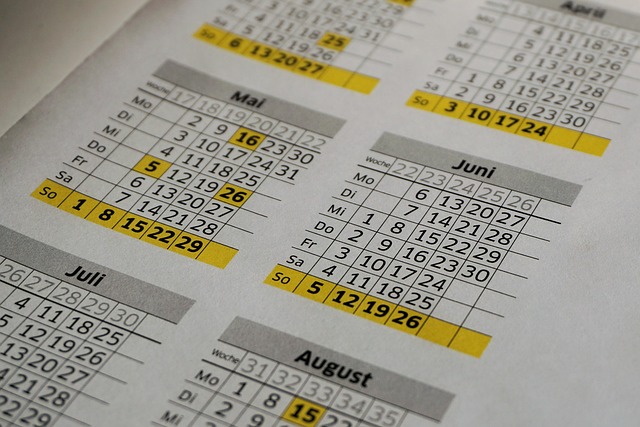
The Hijri Calendar, a lunar-based system central to Islamic culture, diverges from the Gregorian solar calendar by approximately 10-11 days per year. With a 33-year cycle and 12 months based on moon sightings, it influences cultural events like Eid al-Fitr. Converting dates between calendars requires understanding their contrasting origins and lunar phase alignments. Accurate conversions foster cultural connections, bridge traditional and modern practices, and are essential for global communication in diverse contexts, with tools like online calculators aiding the process.
The conversion between calendars is a vital task for global communication and understanding, especially when bridging diverse cultural and religious contexts. Among the most widely used systems, the Gregorian and Hijri calendars stand out, each with its unique historical and spiritual significance. However, the lack of straightforward conversion methods can pose challenges for those needing to navigate dates across these two timekeeping frameworks. This article provides an in-depth guide on how to convert from the Gregorian to the Hijri calendar, offering practical insights for accurate and efficient date translation.
- Understanding the Gregorian and Hijri Calendar Systems
- Converting Dates: Step-by-Step Guide
- Calculating Lunar Cycles and Islamic Months
- Practical Applications and Cultural Significance of Hijri Calendar Conversion
Understanding the Gregorian and Hijri Calendar Systems

The Gregorian and Hijri calendar systems represent two distinct approaches to measuring time, with the Hijri Calendar holding significant importance in Islamic culture and tradition. Understanding these calendars is crucial for engaging in Islamic practices, particularly as many Islamic festivals and events are tied to the lunar cycle of the Hijri Calendar. The Gregorian system, widely adopted globally, relies on a solar-based calculation, while the Hijri Calendar, used predominantly in Muslim communities worldwide, follows a lunar cycle, making each year approximately 11 days shorter than its Gregorian counterpart. This divergence results in varying dates for Islamic celebrations and observances compared to their Gregorian counterparts.
The Hijri Calendar, also known as the Islamic Calendar, is a lunar calendar consisting of 12 months, with each month based on the sighting of the new moon. In contrast, the Gregorian Calendar, primarily used internationally, is a solar calendar divided into 12 months of varying lengths, with its primary aim being to maintain alignment with the seasons. This fundamental difference in their mechanisms leads to a cyclical nature in the Hijri Calendar, with years repeating in a 33-year cycle, allowing for unique dating and planning of events within the Islamic community.
Engaging in hijri awareness activities can deepen one’s connection to Islamic traditions. For instance, learning about the phases of the moon and their impact on religious observances, such as Ramadan and Eid, offers valuable insights into how the Hijri Calendar influences Islamic art and culture. Many traditional Islamic arts, including intricate calendar designs and moon-themed motifs, reflect this lunar-based system. Additionally, participating in community events that synchronize with the Hijri dates, like Islamic festivals, can foster a stronger sense of belonging and appreciation for the rich tapestry of Islamic traditions tied to these calendric events. For an immersive experience, consider visiting us at hijri calendar anytime to explore further and engage with this fascinating aspect of Islamic heritage.
Converting Dates: Step-by-Step Guide

Converting dates from the Gregorian to Hijri calendar involves understanding both calendars’ unique characteristics. The Gregorian, a solar calendar, is based on Earth’s orbit around the sun, while the Hijri, a lunar calendar, follows the cycles of the moon. This difference creates varying lengths for each month in these calendars, with the Hijri year roughly 10 to 12 days shorter than its Gregorian counterpart. To convert, one must account for these discrepancies, considering both the specific date and time.
The process begins by identifying the Gregorian date and determining the corresponding lunar phase at that time. This requires access to accurate astronomical data or reputable calendar conversion tools. Once aligned, match the Gregorian month to its Hijri equivalent, keeping in mind the lunar cycle’s cyclical nature. For instance, September in the Gregorian calendar aligns with Rajab in the Hijri, a month known for its spiritual significance. The date conversion then involves calculation based on these correspondences, accounting for any leap years or intercalary months in the Gregorian record.
Modern interpretations of Hijri aesthetics play a role in practical applications, especially when celebrating Islamic festivals tied to the calendar. For instance, Eid al-Fitr, which marks the end of Ramadan, is determined by the visual sighting of the new moon, adding an element of anticipation and community engagement. Accurate conversion aids in respecting traditional observances while participating in modern interpretations, ensuring that celebrations remain grounded in both cultural heritage and contemporary practices. By following these steps, one can confidently navigate the transition between calendars, fostering a deeper connection to the Hijri aesthetic and its rich traditions.
Visit us at [Islamic Festivals] anytime to explore more about the cultural richness tied to the Hijri calendar and discover how modern interpretations blend tradition with contemporary life.
Calculating Lunar Cycles and Islamic Months

Converting between calendars is a fascinating endeavor, especially when exploring the intricate relationship between the Gregorian and Hijri systems. The Hijri Calendar, with its deep roots in Islamic tradition, relies on meticulous tracking of lunar cycles to determine its months, unlike the solar-based Gregorian calendar. Understanding this process offers a unique glimpse into the historical and cultural context of Islam.
The core difference lies in their respective timeframes: the Gregorian year is solar-based, averaging 365.25 days, while the Hijri follows lunar phases, typically clocking in at about 354 or 355 days. This discrepancy arises from the fact that a lunar month is approximately 29.5 days long, leading to a “leap month” added to the Hijri calendar every few years to synchronize with the solar year. Islamic months and their specific durations play a pivotal role in religious observances, making this conversion process not merely mathematical but laden with cultural significance.
To convert a date from Gregorian to Hijri, one must first identify the specific lunar cycle during which the date falls. This involves calculating the phase of the moon at the time in question. Several tools and resources, including astronomical algorithms and digital calendars, can assist in this calculation, providing an accurate determination of the corresponding Hijri month and year. For instance, using the phases of the moon in the Hijri system as a reference, one can align historical events with their Islamic calendar equivalents, offering valuable insights into the past.
The study of these calendars also highlights the calendric inspiration for modern design, showcasing how ancient systems continue to influence contemporary practices. As we navigate between different temporal frameworks, understanding the intricacies of the Hijri Calendar and its lunar-driven nature enriches our knowledge of both historical and cultural contexts, bridging the gap between traditional and modern timekeeping methods.
Practical Applications and Cultural Significance of Hijri Calendar Conversion
Converting between calendars is a practical necessity for many globally, with the Hijri Calendar—a lunar-based system—gaining both cultural significance and widespread adoption. Understanding how to convert from Gregorian to Hijri involves delving into the etymology of the Hijri calendar, which traces back to Islamic tradition. The primary advantage lies in its accuracy when determining auspicious dates, such as Ramadan timing, ensuring religious observance aligns with astronomical cycles.
Practical applications extend beyond religion, impacting cultural events and business practices across diverse societies. For instance, many Muslim-majority countries use Hijri systems for official purposes, including legal documentation and public holidays. This global adoption underscores the calendar’s utility and adaptability in modern times. When navigating dates, professionals and individuals alike must consider the 12 lunar months of the Hijri year, typically 10 to 11 days shorter than its Gregorian counterpart, leading to a cyclical recurrence every 33 years.
Understanding these nuances is crucial for effective communication and planning, especially in international contexts. To facilitate conversions, various tools and resources are readily available, from online calculators to mobile apps. Give us a call at Hijri Calendar History and Origin for more insights on this ancient yet evolving system, which continues to play a vital role in connecting communities worldwide. By embracing its practical applications and cultural significance, users can ensure accurate date conversions, fostering better understanding and collaboration across cultures.
By skillfully navigating the intricacies of both the Gregorian and Hijri calendar systems, readers now possess a profound understanding of date conversion processes. The step-by-step guide highlighted practical approaches to converting dates, while delving into lunar cycles and Islamic months underscored the foundational knowledge required for accurate Hijri Calendar conversions. Practical applications and cultural significance further enriched this journey, demonstrating the broader implications and value of mastering this conversion. Armed with these key insights, readers are equipped to confidently embrace the Hijri Calendar’s timeless essence in today’s world.