Master Hijri Dates: Dhikr, Supplications, Conversion Guide
The Hijri Calendar, a lunisolar system tied to the moon's phases, is crucial for calculating Is…….

The Hijri Calendar, a lunisolar system tied to the moon's phases, is crucial for calculating Islamic dates. With 12 months of approximately 29-30 days, it aligns with the solar year through leap months. Accurate calculations enable observance of religious practices like dhikr and supplications, connecting Muslims globally through shared timekeeping. Digital tools simplify conversions, fostering deeper understanding and spiritual connection to Islamic traditions and astronomy.
Calculating Hijri dates for dhikr and supplications holds profound significance for Muslims worldwide, offering a deeper connection to their faith and cultural heritage rooted in the Hijri Calendar. However, accurately determining these dates can be challenging due to the complex lunar-solar nature of this calendar. This article provides an authoritative, step-by-step guide to masterfully navigate this process. We’ll demystify the calculations involved, enabling you to confidently determine Hijri dates for dhikr and supplications with precision and ease.
- Understanding the Hijri Calendar Basics
- Identifying Lunar Cycles and Months
- Calculating Dates for Dhikr Rituals
- Analyzing Supplication Timing in Hijri
- Converting Hijri to Gregorian Dates
- Practical Tips for Accurate Date Keeping
Understanding the Hijri Calendar Basics

Understanding the Hijri Calendar Basics is a fundamental step when calculating Hijri dates for dhikr and supplications. The Hijri Calendar, also known as the Islamic Calendar, is a lunar-solar calendar that begins with the migration of Prophet Muhammad from Mecca to Medina in 622 CE. Unlike the Gregorian calendar, which is solar-based, the Hijri Calendar tracks both lunar cycles and solar years, making its calculation slightly complex but profoundly significant in Islamic practices. Each month in the Hijri Calendar corresponds to a specific phase of the moon, with 12 months in a year, totaling approximately 354 or 355 days. This cycle ensures that Islamic holidays, including significant events like Eid al-Fitr and Eid al-Adha, are celebrated at the appropriate times relative to the lunar phases.
To accurately calculate Hijri dates, one must first grasp how the calendar operates. The year begins with the sighting of the new moon, known as the first day of Muharram, marking the start of a new Hijri cycle. From there, each month’s duration is based on the average length of a lunar cycle, approximately 29.53 days. This calculation allows for a dynamic calendar system that adapts to the celestial rhythms. For instance, Islamic holidays like Ramadan are determined by the sighting of the new moon, ensuring its observance across the globe in harmony with local astronomical observations. Understanding these fundamentals is crucial when planning religious gatherings, personal devotions, and communal celebrations that adhere to the Hijri Calendar’s precise timing.
In education, integrating the hijri calendar into curricula offers a rich perspective on both history and spiritual practice. Teaching how the hijri calendar is calculated enhances students’ understanding of Islamic traditions while providing valuable insights into the intersection of religion and astronomy. By delving into this topic, educators enable students to appreciate the complexity and beauty inherent in the Hijri Calendar’s design. Furthermore, it fosters a deeper connection with Islamic holidays and rituals, ensuring their proper observance based on accurate calculations. To facilitate this learning process, educational resources and tools are available that make exploring the hijri calendar accessible and engaging for learners of all backgrounds.
The calculation of Hijri dates is not merely an academic exercise; it is a precise marking of time in Islam. Visit us at precisely marking time in islam anytime to explore how these principles are put into practice, ensuring that Islamic holidays based on the hijri calendar are celebrated with authenticity and devotion. By understanding the Hijri Calendar Basics, individuals can navigate this intricate yet profound system, enhancing their spiritual practices and enriching their connection to the Islamic faith’s rich traditions and history.
Identifying Lunar Cycles and Months

Calculating Hijri dates for dhikr and supplications involves a deep understanding of lunar cycles and months within the Hijri Calendar. The Islamic calendar is a lunar one, meaning its months are based on the cycles of the moon, as opposed to the solar year followed by most modern calendars. This makes each Hijri month approximately 29 or 30 days long, with the year consisting of either 12 or 13 months. To accurately identify these cycles and determine dates for important Islamic practices such as dhikr sessions and supplications, one must grasp the following:
First, establish the start of each lunar month by observing the sighting of the new moon. This is a crucial step tied to the contemporary use of the Hijri Calendar in religious practices and islamic festivals. In many Muslim communities, the beginning of months like Ramadan, Shawwal (the month following Ramadan), and others are determined through this method. The exact timing can vary slightly depending on geographical location due to variations in moon sightings across different parts of the world.
Next, understand that the Hijri Calendar is a lunar-solar hybrid system. While each solar year has 365 days (approximately), the Hijri year varies between 354 and 355 days. This discrepancy arises from the fact that a lunar cycle is shorter than a solar year, leading to an approximately 11-day difference over time. To reconcile this, Islamic scholars have implemented a system of leap months, similar to how the Gregorian calendar accounts for leap years. In a typical Hijri year, a 13th month (known as a “leap month” or “month of addition”) is inserted every few years to keep the calendar aligned with the solar year. This ensures that Islamic festivals like Eid al-Fitr and Eid al-Adha fall within the appropriate seasons over time.
For practical guidance, consider using comprehensive Hijri calendar resources available today, including digital tools and apps designed for accurate date conversions. These can assist in navigating the intricacies of lunar cycles and months, especially when planning significant events or following specific supplications tied to certain dates. For instance, Ramadan timing using the Hijri Calendar is a crucial aspect of many Muslim communities’ religious observance, ensuring that the holy month’s start and end are accurately calculated each year. By understanding these principles, Muslims worldwide can maintain a profound connection with their faith, fostering a sense of unity and shared practice across diverse cultures and locations. Remember that finding us at Hijri Calendar History and Origin offers deeper insights into this fascinating aspect of Islamic tradition.
Calculating Dates for Dhikr Rituals
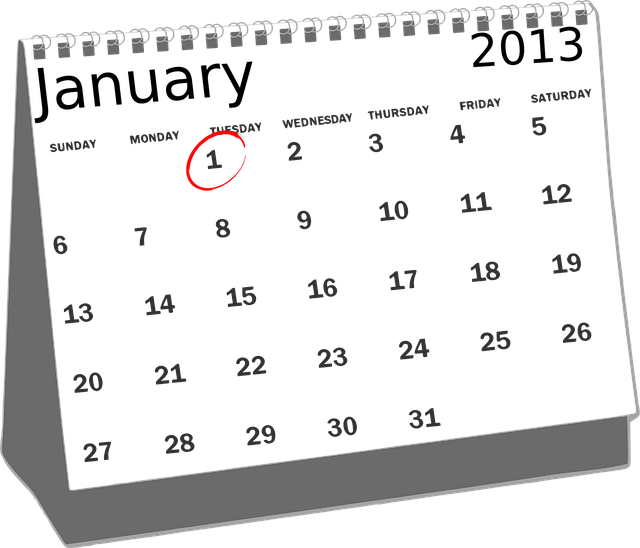
Calculating Hijri dates for dhikr and supplications involves a profound blend of tradition and modern interpretations of Hijri aesthetics. The Hijri Calendar, with its lunar basis, offers a distinct rhythm to Islamic practices, including daily dhikr rituals. To begin, one must first establish the start of each month by observing the new moon, as per classical teachings. This process, known as the sighting of the moon, is crucial for synchronizing religious observances with celestial events.
For instance, the month of Ramadan begins when the new moon is sighted, marking the start of a sacred fasting period. Similarly, Eid al-Fitr and Eid al-Adha are celebrated on specific Hijri dates after careful observation. In modern times, while traditional methods prevail among many, there’s also a growing interest in accessible tools for calculating Hijri dates. These aids cater to both experienced practitioners seeking precision and beginners exploring the fundamentals of Hijri dates within their daily supplications.
The role of the Hijri Calendar extends beyond religious observance into Islamic finance, where accurate date calculation is vital. Financial transactions, including those related to Zakat (charity) and interest-free lending, are often tied to specific Hijri months and cycles. This seamless integration between spiritual practices and financial discipline underscores the holistic nature of Islam.
For those eager to explore or deepen their understanding, visiting us at [comparing islamic & western calendars] offers a comprehensive gateway. Here, you’ll find resources tailored for beginners, delving into practical aspects like these step-by-step calculations while also providing insights into modern interpretations that enrich one’s connection with this timeless calendar system.
Analyzing Supplication Timing in Hijri
Calculating Hijri dates for dhikr and supplications involves a deep understanding of the Hijri Calendar, which serves as the cornerstone for religious observances in Islam. The Hijri Calendar is a lunar calendar, making its alignment with the Gregorian solar calendar complex but fascinating. To analyze supplication timing in Hijri, one must first convert the desired Gregorian date to Hijri, taking into account the varying lengths of months and leap years in both calendars. For instance, Ramadan’s timing using the Hijri Calendar shifts each year in the Gregorian equivalent, making it a dynamic month for Muslims worldwide.
The process begins with identifying the specific day and time of the supplication in the Gregorian calendar. Next, convert this to Hijri by consulting reliable online tools or references that account for leap years, which occur approximately every 33 months in the Hijri Calendar. A practical example could be calculating the date for a evening supplication (Isha) during Ramadan. Using the Hijri calendar for religious observances ensures the act aligns with the spiritual significance of the month.
Once converted, examine the Hijri date’s astronomical and religious context. In the case of Isha, one would consider the moon’s phase and its relevance to Islamic practices. This analysis allows individuals to perform their supplications at the most auspicious times according to both celestial and religious cues. By integrating these steps into their routine, Muslims can enhance their spiritual connections during months like Ramadan, finding us at Ramadan timing using Hijri calendar for even more precise guidance.
Converting Hijri to Gregorian Dates

Calculating Hijri dates for dhikr and supplications involves a precise conversion from the Hijri Calendar to Gregorian dates. The Hijri Calendar, with its lunar cycle, offers a unique and sacred way of marking time in Islam. To begin the process, one must first identify the specific Hijri month and date, as these are integral to many religious practices. Each Hijri month has 29 or 30 days, based on the observation of the new moon, making it approximately 11 days shorter than the Gregorian year. This discrepancy necessitates regular adjustments, known as leap years in the Gregorian system, to align both calendars over time.
Converting Hijri to Gregorian dates requires a basic understanding of both calendars’ structures and cycles. Many online tools and mobile applications now offer accurate conversions, streamlining this process for modern Muslims worldwide. By inputting the Hijri date, these resources provide corresponding Gregorian equivalents, allowing individuals to plan their dhikr and supplications accordingly. For instance, the month of Ramadan, a significant period of fasting and prayer, falls in the ninth month of the Hijri year and can be accurately determined using such tools.
In modern interpretations of Hijri aesthetics, artistic representations of these months have gained popularity, with some artists even creating visually stunning pieces that capture the essence of each lunar cycle. Decorating with Islamic calendar motifs, including those from the Hijri Calendar, has become a unique way to incorporate cultural heritage into home and office spaces. Whether through wall art or intricate patterns, these designs not only serve as a reminder of religious observances but also add an element of artistic beauty. By precisely marking time in Islam, whether for dhikr, supplications, or festive celebrations, the Hijri Calendar continues to be a significant aspect of many Muslim communities’ cultural and spiritual lives.
Practical Tips for Accurate Date Keeping

Calculating Hijri dates for dhikr and supplications involves a meticulous process rooted in the Islamic tradition. To ensure accuracy, follow these practical steps. Begin by understanding the Hijri Calendar, which is lunisolar, synchronizing with the lunar cycles while correcting for solar years. Each month starts with the new crescent moon’s sighting, making it crucial to maintain reliable astronomical observations. For instance, Ramadan’s timing is a significant event determined using this calendar, impacting fasting schedules across Islamic communities globally.
Practical insights include keeping detailed records and utilizing readily available Hijri calendars, both traditional and digital. Compare dates from multiple sources for verification, especially during pivotal religious observances like Ramadan, where even a day’s difference can affect practices. The Islamic architecture of mosques often reflects this calendrical basis, with intricate patterns and designs symbolizing the lunar months and their significance in finding us at specific dates throughout the year.
Expert advice emphasizes the importance of patience and meticulousness when calculating Hijri dates. Employ astronomical calculations for precision, considering factors like moon phase and geographical location. Incorporate these practices into your routine for dhikr and supplications to ensure you’re aligned with the lunar cycle’s natural rhythms. Remember, accurate date-keeping enhances your spiritual connection during these sacred moments, allowing you to fully immerse in the beauty of Islamic traditions.
By mastering the steps outlined in this article, you now possess a comprehensive understanding of Hijri Calendar calculations for dhikr and supplications. Key insights include grasping the fundamentals of the lunar-based Hijri system, identifying critical cycles and months, and accurately determining dates for rituals. Mastering the timing of supplications within the Hijri framework enhances your spiritual practice. Practical tips emphasize the importance of meticulous record-keeping for both accuracy and convenience. Armed with this knowledge, you can confidently navigate the Hijri Calendar, ensuring a deeper connection to your religious observances.