Master Hijri Months: Order, Names, and Duration Secrets
Mastering the Hijri Calendar enhances understanding of Islamic chronology and traditions. This 12-mo…….

Mastering the Hijri Calendar enhances understanding of Islamic chronology and traditions. This 12-month lunar calendar differs from the Gregorian year by approximately 11 days. Months vary in length (29-30 days), named after significant events like Ramadan and Shawwal. Practical approaches, visual aids, discussions, and immersion in local traditions facilitate memorization. Digital tools offer modern assistance. Understanding the Hijri Calendar's spiritual significance deepens connection for global Muslim communities.
The Hijri Calendar, a celestial guide used by Muslims worldwide, presents a unique challenge when it comes to remembering the order and duration of its months. With a lunar nature, these months shift seasonally, making memorization crucial for accurate dating and religious observance. The fluidity of the Hijri month cycle can be daunting, yet mastering this knowledge is essential for those navigating the Islamic calendar. This article offers a comprehensive solution, providing practical strategies to not only remember but also understand the dynamic sequence of Hijri months, enhancing your proficiency in this vital aspect of the Islamic tradition.
- Understanding the Hijri Calendar Structure
- Mastering Month Names and Their Order
- Recalling Durations: A Practical Approach
Understanding the Hijri Calendar Structure

Understanding the Hijri Calendar Structure is key to remembering its month order and duration. The Hijri Calendar, centered around Islamic religious observances, differs from the Gregorian calendar in its calculation of time. It marks time based on lunar cycles, where each month begins with the new crescent moon’s sighting. This celestial-based system results in a roughly 354 or 355 day year, approximately 11 days shorter than the Gregorian year. This unique structure significantly impacts the timing of Islamic festivals and rituals, making it crucial for modern Muslim communities worldwide to engage in hijri awareness activities.
To facilitate memorization, the Hijri Calendar follows a cyclical pattern of 12 months, each with varying durations. The months are named after various historical events and blessings in Islam. For instance, Ramadan, the ninth month, is dedicated to fasting and spiritual reflection, while Shawwal, the tenth month, marks the end of Ramadan and includes the pilgrimage (Hajj) for those physically and financially able. Understanding these contextual significances can enhance engagement with hijri calendar activities.
Practical insights include utilizing visual aids, such as calendars or charts, to track the passage of Hijri months alongside Gregorian dates. Engaging in regular discussions about hijri awareness during family meals or community gatherings reinforces understanding. Additionally, visiting us at how is the hijri calendar calculated? can provide deeper insights into the mathematical and astronomical underpinnings of this ancient yet relevant timekeeping system. Incorporating these strategies into daily life not only aids memory but also fosters a stronger connection to Islamic traditions and practices in modern times.
Mastering Month Names and Their Order

Mastering the order and names of Hijri months is a crucial step for anyone aiming to understand Islamic chronology and its profound influence on art, culture, and tradition. The Hijri Calendar, with its unique 12-month cycle, differs from the Gregorian calendar used globally, making it essential for Muslims worldwide to be familiar with these dates. This guide offers a comprehensive introduction for beginners seeking to navigate the Hijri months effortlessly.
The Islamic calendar, also known as the Hijri Calendar, is based on the lunar cycles, with each month beginning at the new moon. As a result, Hijri months vary in duration, typically lasting 29 or 30 days. The 12 months are named in a specific order: Muharram, Safar, Rajab, Sha’ban, Ramadhan, Shawwal, Thul-Qi’da, Dhu al-Hijjah, Dhu al-Qa’dah, Zul-Hijjah, and two months with variable names depending on the year (often called Al-Muwakkil and Al-Thani). Understanding this sequence is fundamental to keeping track of Islamic festivals, fasts, and other significant events.
A practical approach for beginners is to associate each month with its characteristics and associated events. For instance, Ramadhan, the ninth month, is dedicated to fasting and spiritual reflection. This association can make memorization more engaging and effective. Additionally, many Muslim communities organize cultural events and celebrations throughout the Hijri year, which can serve as a reference point for learning. By immersing oneself in these traditions, one can naturally acquire a sense of the calendar’s rhythm and order. For further exploration, consulting authentic Islamic sources or joining local religious centers is recommended. Through these means, one can gain a profound understanding of the Hijri Calendar and its influence on Islamic art, as evidenced by the rich artistic expressions that have emerged across diverse Muslim civilizations over centuries. Find us at [how hijri calendar influences islamic art] for more insights into this fascinating topic.
Recalling Durations: A Practical Approach
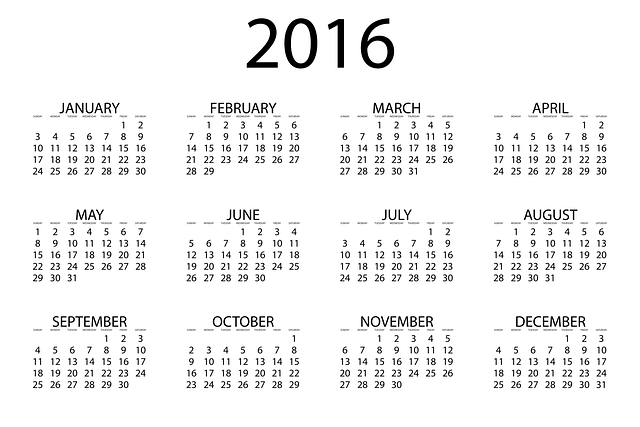
Remembering the order and duration of Hijri months is a vital skill for those navigating the intricate beauty of the Hijri Calendar. This ancient lunar calendar, with its 12 months, holds significant importance in Islamic traditions and practices. While many Muslims are familiar with the basic structure, mastering the recall of durations requires a practical approach tailored to individual learning styles.
One effective strategy involves creating artistic representations of Hijri months. Visual aids like calendars with artistic motifs or intricate diagrams can serve as powerful memory tools. By associating each month with its unique characteristics and assigning them visual symbols, one can develop a memorable framework. For instance, the first month, Muharram, might be linked to a strong, towering figure symbolizing its significance in Islamic history. This method not only enhances recall but also fosters a deeper connection with the lunar cycle.
Understanding the why behind the Hijri Calendar is fundamental. In Islam, the lunar months hold spiritual and ritual importance, influencing prayer times, fasting periods, and significant celebrations. The Hijri system, which tracks the moon’s phases, ensures these practices remain aligned with the natural cycles of the celestial bodies. This knowledge provides a contextual framework for memorization, making it more than just rote learning. For instance, the month of Ramadan, dedicated to fasting, occurs during the ninth lunar cycle each year, reinforcing the direct correlation between the calendar and Islamic observances.
To further aid recall, breaking down the duration of each month into simple fractions can be beneficial. Recognizing that a Hijri month is approximately 29 or 30 days long—a concept deeply ingrained in understanding lunar months in Islam—allows for easier mental calculations. For instance, envisioning a cycle divided into quarters or halves provides a practical framework for remembering the length of each month. Additionally, utilizing digital tools or apps designed to track Hijri dates can offer a modern approach to memorization, especially for younger generations. Give us a call today at [Brand/Organization] to explore these and more innovative methods tailored to diverse learning needs within modern Muslim communities.
By understanding the hierarchical structure of the Hijri Calendar, mastering the names and order of its months, and adopting practical techniques for recalling durations, you’ve equipped yourself with powerful tools to remember Hijri month order and duration. This article has provided clear insights into the unique aspects of the Islamic calendar, emphasizing its significance in religious observances. Going forward, apply these strategies in your daily life: recite the month names regularly, visualize the calendar’s structure, and utilize mnemonic devices for durations. Embracing these techniques will not only deepen your connection to the Hijri Calendar but also enhance your overall memory retention.