Mastering Hijri Dates: Historical Events Unveiled
The Hijri Calendar, a lunar-based Islamic calendar, offers unique insights into historical events th…….
The Hijri Calendar, a lunar-based Islamic calendar, offers unique insights into historical events through its consistent cyclic dating system. It differs from the Gregorian by approximately 10-11 days and influences religious observances like Ramadan. Artistic representations of Hijri months enrich cultural understanding. Accurately calculating Hijri dates for historical events requires combining historical research with knowledge of the calendar's lunar-solar system, using resources like astronomical tables or mathematical models. This calendar is a vital tool for historians studying Islamic history, enabling precise analysis of temporal links between political shifts and religious observances.
The Hijri Calendar, with its rich historical significance, plays a pivotal role in understanding Islamic history and cultural traditions. Accurately pinpointing specific events within this calendar has long posed a challenge for scholars and enthusiasts alike. The intricate nature of lunar-solar calculations often leads to discrepancies, complicating the task of synchronizing ancient occurrences with modern dates. This article presents a comprehensive tutorial on mastering the art of finding Hijri dates for historical events. By delving into the underlying principles and practical techniques, readers will gain invaluable expertise in navigating this complex landscape, ensuring a deeper comprehension of our shared past.
- Understanding the Hijri Calendar: A Historical Framework
- Identifying Key Events in Hijri Chronography
- Calculating and Verifying Hijri Dates for Historic Occasions
Understanding the Hijri Calendar: A Historical Framework

The Hijri Calendar, with its rich historical framework, offers a unique perspective on time and events within Islamic tradition. Understanding this calendar system is crucial for accurately placing specific historical occurrences in an Islamic context. The Hijri year, based on the phases of the moon, differs from the Gregorian year used globally, making it essential to explore their relationship and implications. One key aspect is the lunar nature of the Hijri Calendar, where each month begins with the new crescent moon, providing a cyclical view of time that aligns with Islamic practices and rituals.
To navigate this calendar effectively, one must grasp the phases of the moon within the Hijri system. The lunar months, varying in length, create a unique rhythm that influences religious observances and historical events. For instance, the month of Ramadan, dedicated to fasting and spiritual reflection, moves approximately 10-11 days earlier each year in relation to the Gregorian calendar due to its dependence on moon phases. This dynamic interaction between celestial bodies and human activities underscores the deep connection between Islam and the natural world.
Modern interpretations of Hijri aesthetics further enrich our understanding. Artists and scholars alike have explored the symbolic value of lunar cycles, incorporating them into contemporary designs that blend traditional motifs with innovative styles. The study of Hijri art, in turn, provides a glimpse into how Islamic culture has evolved while preserving its roots. For instance, intricate moon-themed patterns often seen in architecture and calligraphy not only enhance aesthetic appeal but also serve as a visual representation of the cyclical nature of time within the Hijri framework.
When comparing the Hijri year to the Gregorian, it becomes evident that significant differences exist in their temporal units and lengths. The Gregorian year is solar-based, with 365 days (or 366 in leap years), while the Hijri year, based on lunar cycles, averages approximately 354 or 355 days per year. This discrepancy results in a difference of about 11 days between the two calendars each year. As such, when referring to historical events, it is vital to consult both the Gregorian and Hijri dates to gain a comprehensive understanding, especially for dates preceding the adoption of the Gregorian calendar in many Muslim-majority countries. Give us a call to explore further how the Hijri Calendar influences Islamic art and its various manifestations across different regions and eras.
Identifying Key Events in Hijri Chronography
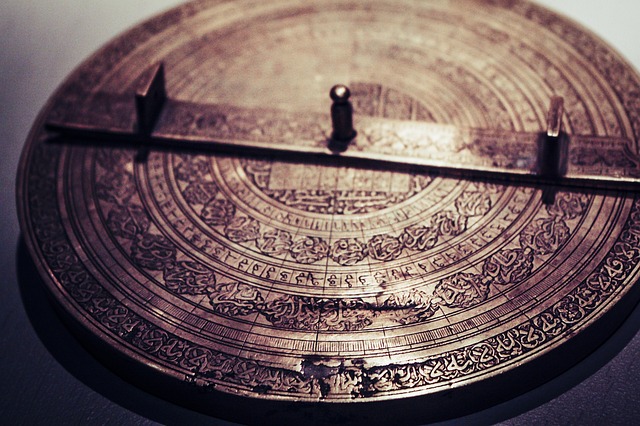
Identifying key events in Hijri chronography requires a deep understanding of the Hijri calendar, which serves as a crucial tool for Muslims worldwide. The Hijri Calendar, with its lunar-based system, is not only integral to religious observances like Ramadan and Eid but also plays a significant role in Islamic finance. By synchronizing historical occurrences with the Hijri dates, scholars and historians can uncover nuanced perspectives on past events, especially within the Islamic world.
For instance, let’s consider the rise of major Islamic empires. Events such as the establishment of the Umayyad Caliphate (661 CE) or the fall of the Abbasid Caliphate (1517 CE) are marked in Hijri history as pivotal moments. Using the Hijri calendar for these historical analyses allows us to understand the temporal dynamics between political shifts and religious practices, highlighting its advantages in both academic research and cultural preservation.
When navigating historical records, it’s essential to recognize the specific advantages of the Hijri calendar over the Gregorian system. Its cyclic nature provides a consistent framework for dating events within a known timeline, making it invaluable for chronicling Islamic history. Moreover, the Hijri calendar’s association with religious observances has fostered a rich cultural heritage where artistic representations of Hijri months can be explored and appreciated, offering a unique glimpse into past traditions.
To harness this knowledge effectively, one practical step is to maintain a comprehensive Hijri calendar resource. Visit us at [artistic representations of Hijri months] for inspiring visual aids that can aid in understanding these historical connections. By combining academic research with artistic expression, we can gain profound insights into the role of the Hijri Calendar in shaping Islamic identity and its enduring relevance in modern times.
Calculating and Verifying Hijri Dates for Historic Occasions
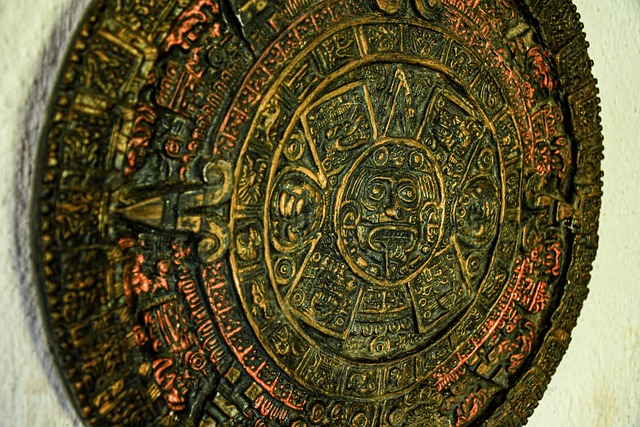
Calculating and verifying Hijri dates for historic occasions involves a blend of historical research and an understanding of the Hijri calendar’s unique calculation methods. The Hijri Calendar, primarily used for religious observances, is a lunar-solar system that begins with the migration of Prophet Muhammad from Mecca to Medina in 622 CE. To determine Hijri dates for specific events, one must first grasp how this calendar operates. It differs from the Gregorian calendar by relying on visual observations of the moon and solar calculations, making its dates roughly 10-11 days earlier than those on the Gregorian system.
The process begins with identifying the date of a historical event according to the Gregorian calendar. Subsequently, researchers consult astronomical tables or employ mathematical models to estimate the corresponding Hijri date. This calculation involves accounting for lunar cycles and solar years, which can be intricate due to the calendar’s nature as both lunar and solar. For instance, while the Gregorian year is approximately 365.25 days long, the Hijri solar year is slightly shorter at about 354 or 355 days.
Verifying these calculated dates requires cross-referencing with historical records and other calendars contemporary to the era in question. This step ensures accuracy and provides a deeper understanding of how different cultures and civilizations marked time. For beginners learning the Hijri system, it’s essential to start with foundational knowledge about its calculation methods. Resources like modern interpretations of Hijri aesthetics can offer accessible entry points, providing visual representations and contextual explanations that aid in comprehension. By combining practical tools with an awareness of historical context, individuals can confidently navigate and teach this complex yet fascinating calendar system.
By mastering the Hijri Calendar, we’ve equipped readers with a powerful tool to accurately date historical events from an Islamic perspective. Understanding the calendar’s historical framework and key events allows for precise chronography, enabling us to verify significant occurrences in Muslim history. This article has provided clear insights into calculating Hijri dates, ensuring future research and historical analysis are grounded in solid methodological foundations. With these practical next steps, readers can now apply this knowledge to enhance their study of Islamic history and contribute to a deeper understanding of the Hijri Calendar’s significance.