Teaching Kids the Hijri Calendar: Dates, Culture & Fun
The Hijri Calendar, an integral part of Islamic culture, combines lunar and solar cycles, tracing it…….

The Hijri Calendar, an integral part of Islamic culture, combines lunar and solar cycles, tracing its roots to Prophet Muhammad's Hijra. Teaching children involves explaining its astronomical basis, comparing it to the Gregorian calendar, and showcasing artistic expressions tied to each lunar month. This calendar holds significant historical and cultural value, influencing art, architecture, and global traditions. Practical activities, visual aids, and interactive tools enhance its teaching, fostering appreciation for Islamic history and diversity.
Teaching children about the Hijri Calendar is a valuable endeavor that fosters an understanding of Islamic traditions and history. While the Gregorian calendar prevails globally, recognizing the significance of the Hijri calendar in Muslim communities is essential. However, integrating this knowledge into modern education presents a challenge, often overlooked due to its cultural nature. This article aims to provide educators and parents with practical strategies to effectively teach children about the Hijri Calendar, highlighting its historical roots, religious importance, and role in shaping Muslim life. By offering accessible insights, we can ensure that future generations appreciate this unique calendar system.
- Understanding the Hijri Calendar: A Basic Introduction
- The Historical Significance and Origin of the Hijri System
- Teaching Children About Key Dates and Events in the Hijri Calendar
- Incorporating the Hijri Calendar into Daily Routines and Traditions
- Using Visual Aids and Interactive Tools for Better Comprehension
- Celebrating Hijri Festivals and Their Cultural Impact on Young Minds
Understanding the Hijri Calendar: A Basic Introduction

The Hijri Calendar, a cornerstone of Islamic culture and tradition, offers a unique perspective on timekeeping and has significantly influenced artistic expressions in Islam. Understanding this calendar is essential when teaching children about their religious heritage. The Hijri system, based on both lunar and solar cycles, marks the passage of months and years as experienced by the early Muslim community. It differs from the widely used Gregorian calendar, highlighting the dynamic interplay between celestial bodies and human civilization.
Teaching the Hijri calendar to beginners requires a structured yet engaging approach. Start by explaining its historical context: the migration (Hijra) of Prophet Muhammad and his companions from Mecca to Medina in 622 CE, which marked a new era in Islamic history. This event serves as the foundational moment for dating within the Hijri system. Demonstrate how this calendar is not only a tool for religious observances but also inspires intricate designs in art, architecture, and even modern graphic design, as seen in contemporary Hijri-themed artwork. For instance, the lunar months are often associated with specific artistic motifs, creating a rich visual language that connects Islamic culture across continents.
A practical exercise involves comparing the solar and lunar calendars, emphasizing their distinct cycles. The solar calendar, followed globally, is based on the Earth’s revolution around the sun, while the Hijri calendar relies primarily on the moon’s orbit, making it about 10-11 days shorter. This difference results in months that occasionally shift between seasons, adding a dynamic element to Islamic cultural practices and celebrations. By exploring these concepts, children gain valuable insights into the complex interplay of astronomy and tradition that shapes their religious identity.
The Historical Significance and Origin of the Hijri System
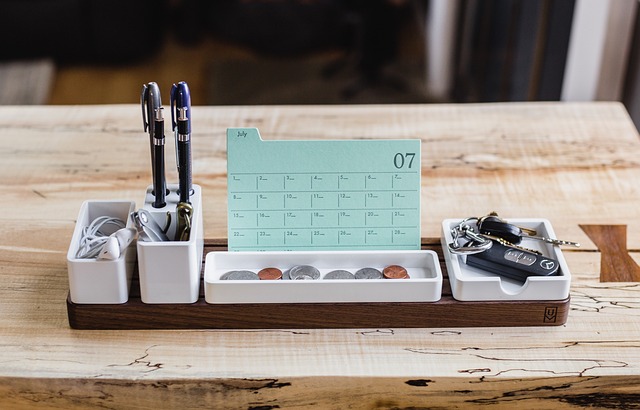
The Hijri Calendar stands as a testament to the rich historical and cultural fabric of Islamic tradition, offering a unique perspective on timekeeping that diverges from the Gregorian system. Its origin traces back to the early days of Islam, marking the migration of Prophet Muhammad (PBUH) from Mecca to Medina in 622 CE. This pivotal event, known as Hijra, inspired the creation of a calendar that would not only track dates but also carry profound symbolic significance. The Hijri era, thus birthed, signifies a new beginning and has since played a pivotal role in organizing religious observances and festivals within the Islamic community worldwide.
Converting Gregorian to Hijri dates provides an intriguing glimpse into the past and present of this calendar system. This process involves understanding the lunar cycles that form the basis of the Hijri Calendar, which consists of 12 months based on the moon’s phases. While the Gregorian calendar is solar-based, with a year comprising approximately 365 days, the Hijri calendar’s connection to the moon results in shorter cycles, averaging about 354 or 355 days per year. This lunar-solar dichotomy adds depth to the Hijri Calendar’s historical significance, reflecting the early Muslim community’s need for an alternative measuring stick to mark their religious milestones.
Modern interpretations of Hijri aesthetics have given rise to diverse artistic expressions and cultural practices. From intricate calendar art that adorns homes during Eid celebrations to the incorporation of Hijri dates in modern event planning, this ancient system has evolved with the times while retaining its original purpose. Visiting us at Hijri Calendar for religious observances allows one to delve deeper into these traditions, providing a unique lens through which to appreciate and understand the enduring importance of the Hijri era in both historical and contemporary contexts. By exploring these connections, individuals can gain a profound respect for the rich tapestry woven by the Hijri Calendar throughout the ages.
Teaching Children About Key Dates and Events in the Hijri Calendar

Teaching children about the Hijri calendar involves more than just introducing them to another way of measuring time. It’s about instilling an understanding of a rich cultural and religious heritage that has had a profound impact on architecture around the world, shaping global timekeeping systems, and influencing traditions across diverse communities. The Hijri calendar, with its lunar basis, offers a unique perspective on time, tied to Islamic practices and beliefs.
Key dates and events in the Hijri calendar hold significant meaning for Muslims worldwide. Teaching children about these milestones can foster a deeper connection to their faith and culture. For instance, the month of Ramadan, marked by fasting and communal prayers, falls according to the lunar cycle of the Hijri calendar, making it a pivotal time for spiritual reflection and family bonding. Understanding how the calendar is calculated—based on the phases of the moon—opens up discussions about celestial bodies and their influence on human life.
Schools and families can play a crucial role in bringing the Hijri calendar to life. Practical activities like creating lunar phase charts or participating in traditions unique to specific Hijri dates can make learning engaging. For example, celebrating Eid al-Fitr, which signifies the end of Ramadan, involves special prayers, feasts, and gift-giving practices that are deeply rooted in the calendar’s cycle. Visiting us at why is hijri used in islam? can offer further insights for educators and parents seeking to enrich their children’s understanding of this significant timekeeping system.
By delving into the Hijri calendar’s impact on architecture—from mosque designs with precise alignment to the layout of ancient cities based on lunar calculations—children gain a broader perspective on its historical significance. The global adoption of Hijri systems, while not universal, highlights the calendar’s enduring appeal and influence. Ultimately, teaching children about the Hijri calendar is about enriching their cultural awareness, fostering an appreciation for tradition, and nurturing a sense of connection to a diverse global community.
Incorporating the Hijri Calendar into Daily Routines and Traditions

Teaching children about the Hijri calendar involves more than just imparting dates and months; it’s about weaving an understanding of its rich history and significance into their daily lives. The Hijri calendar, with its profound roots in Islamic timekeeping traditions, offers a unique lens through which to explore the faith’s depth and connection to nature. By incorporating the Hijri Calendar into daily routines and traditions, parents can help children develop a profound sense of its relevance in modern Muslim communities.
Consider how this ancient calendar marks significant events like Eid al-Fitr and Eid al-Adha, shaping family celebrations and fostering a collective sense of community. Its lunar basis aligns with the Islamic concept of time as a sacred gift from Allah, making it an integral part of worship and devotion. To illustrate, many Muslims break their fast during Ramadan at the exact moment the new moon is sighted, a practice steeped in tradition and spiritual significance. This connection to celestial events can be a powerful tool for teaching children about the calendar’s origin and its enduring relevance.
Incorporating the Hijri Calendar naturally into daily life can start with simple practices. For instance, using it to plan family outings or mealtimes allows children to experience its cyclical nature firsthand. Many Muslim families also find that observing Islamic holidays according to the Hijri calendar strengthens their bond with cultural and religious heritage. Additionally, giving us a call at [Hijri Calendar History and Origin] can provide deeper insights into the calendar’s historical significance and how it has evolved over centuries, enriching the educational experience for both parents and children.
By making these adjustments, families can ensure that learning about the Hijri calendar becomes an organic part of their routines, fostering a sense of continuity with past generations while preparing children to appreciate its role in shaping modern Muslim communities.
Using Visual Aids and Interactive Tools for Better Comprehension
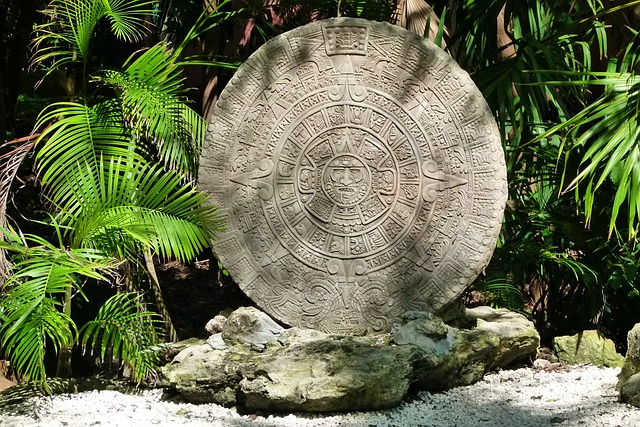
Teaching children about the Hijri calendar and its significance can be greatly enhanced by incorporating visual aids and interactive tools. Visual learning aids, such as charts, diagrams, and infographics, can simplify complex concepts like the calculation of the Hijri calendar (how is the Hijri calendar calculated?) and make it more engaging for young minds. For instance, a colorful timeline depicting historical events and Islamic festivals tied to specific Hijri dates can help children grasp the passage of time and the importance of these occasions. Interactive tools, including digital simulations and apps, allow kids to actively participate in learning. They can adjust parameters like months and seasons to see how the calendar shifts, fostering a deeper understanding.
When teaching about Ramadan timing using the Hijri calendar, visual aids can illustrate the lunar cycle and how it determines the start and end of this sacred month. Interactive elements could include clickable dates on a digital calendar that reveal relevant facts and stories related to each period. By combining these methods, educators create a multi-sensory learning environment that promotes better retention and comprehension.
Practical advice includes utilizing age-appropriate books with illustrations, creating hands-on activities like paper calendars, and incorporating real-life examples of Hijri dates affecting daily life. Visiting us at how is the Hijri calendar calculated? can offer deeper insights for both educators and parents seeking to instill a solid understanding of this important Islamic concept in their children. Through these dynamic approaches, learning about the Hijri calendar becomes an exciting journey that prepares young Muslims to appreciate and embrace its rich cultural and spiritual significance.
Celebrating Hijri Festivals and Their Cultural Impact on Young Minds
Teaching children about the Hijri calendar and its associated festivals is a profound way to connect them with Islamic history and culture. The Hijri calendar, which marks significant events in the life of the Prophet Muhammad (peace be upon him), offers a unique perspective on timekeeping and holds immense importance within the Muslim community. Through the celebration of Hijri festivals, young minds can grasp the significance of historical dates, fostering an appreciation for both religious and cultural traditions.
Hijri dating in historical records has been integral to preserving Islamic history. The calendar’s use in education allows children to understand how these dates have shaped their faith’s narrative. For instance, Eid al-Fitr, marking the end of Ramadan, falls on the 10th day of the Hijri month of Shawwal, commemorating the revelation of the Quran. By teaching this connection, educators enable students to appreciate the spiritual and cultural depth of such festivals. This knowledge can inspire curiosity about Islamic history and encourage exploration of other cultural traditions, fostering an open-minded and empathetic global citizenry.
The Hijri calendar’s role in Islam cannot be overstated. Its use is deeply rooted in religious practices and rituals. The lunar-solar nature of the calendar ensures that important dates align with celestial events, enhancing the spiritual experience for Muslims worldwide. For example, the start of Ramadan is determined by sightings of the new moon, a practice that connects communities globally. This shared experience during Islamic festivals based on Hijri dating can create a strong sense of unity and belonging among children, especially when celebrated in diverse educational settings.
To effectively incorporate Hijri calendar teachings, educators should consider interactive activities, storytelling, and cultural demonstrations. Give us a call at islamic holidays based on hijri calendar to explore resources that support these efforts. By involving students in the preparation of traditional foods, performing art pieces reflecting Islamic history, or creating calendars with Hijri dates marked, learning becomes immersive and memorable. These practices not only enhance understanding but also encourage dialogue about cultural diversity and the common threads that bind various communities.
Teaching children about the Hijri Calendar is a valuable endeavor that enriches their understanding of Islamic history and culture. By delving into its basic structure, historical roots, and significant dates, parents and educators can foster a deeper connection to this sacred timekeeping system. Incorporating interactive elements like visual aids and celebrating Hijri festivals further enhances learning. The article’s insights provide practical strategies to weave the Hijri Calendar into daily life, ensuring children grasp its importance while fostering cultural appreciation. This comprehensive approach empowers individuals to navigate and celebrate Islamic traditions with greater knowledge and enthusiasm.